We make replacement gaskets of any shape from all gasket materials available on the market. We produce:
- gaskets from gasket sheets (Polonit, Gambit, Temac, Klinger, Frenzelit, etc.)
- rubber gaskets
- microcellular rubber gaskets
- K-Flex / Armaflex foam gaskets
- cork-rubber gaskets
- felt gaskets
- Teflon (PTFE) gaskets
- paper / fibre board gaskets
- thermal insulation board gaskets
- silicone gaskets
- Viton gaskets
- pressboard gaskets
Besides gaskets, we also cut any other shapes, e.g. from floor coverings and textiles, and from K-Flex and Armaflex thermal and acoustic insulation foams.
Gaskets are cut on a numerically controlled machine from vector files. You can send us such files in .dxf, .cdr, .cmx, .ai or .eps format.
We currently operate two cutting and milling plotters with working areas of 2000x1600x300 mm and 3100x2100x300 mm respectively.
If you do not have such files, you can also send us technical drawings, hand sketches, old gaskets or parts.
Maximum material thickness is 150 mm.
Outline scanning – gasket reproduction
With our outline scanner we can make a gasket based on a part you send us. Scanning gives a perfect gasket shape and, if needed, allows it to be freely modified.
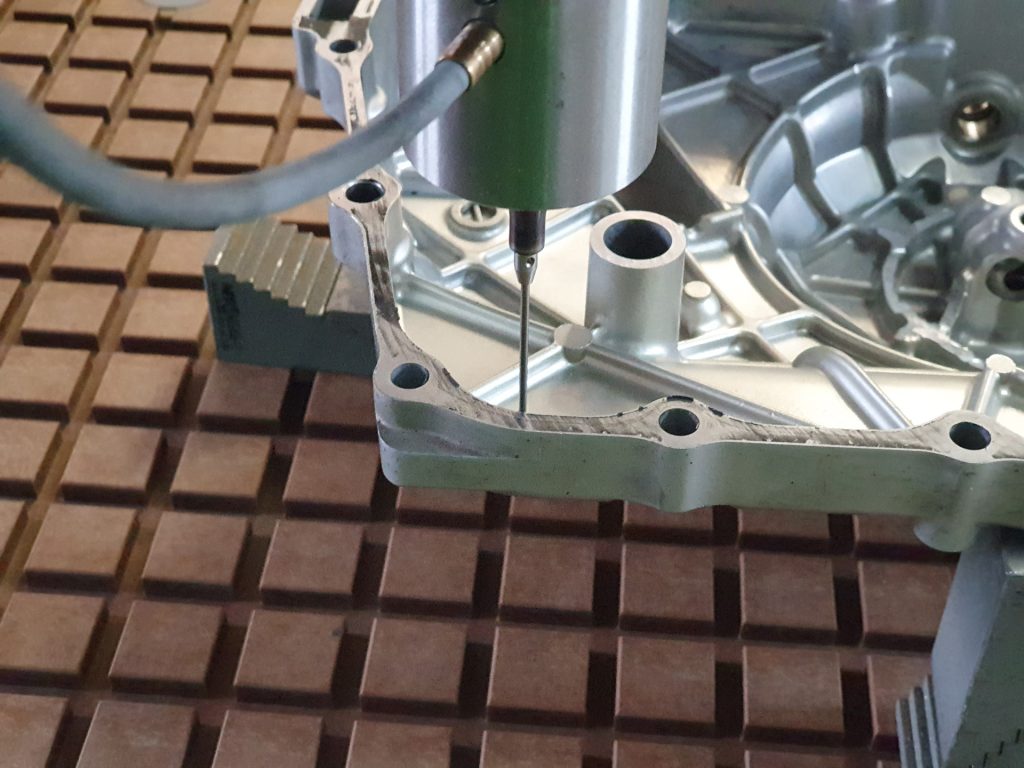
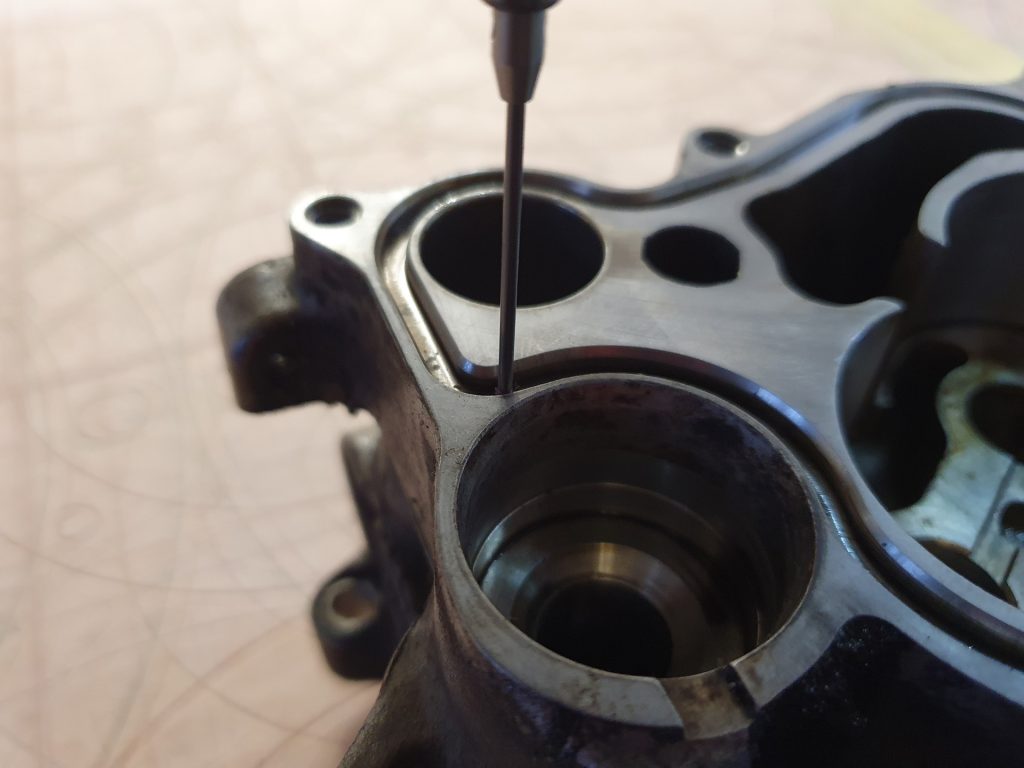
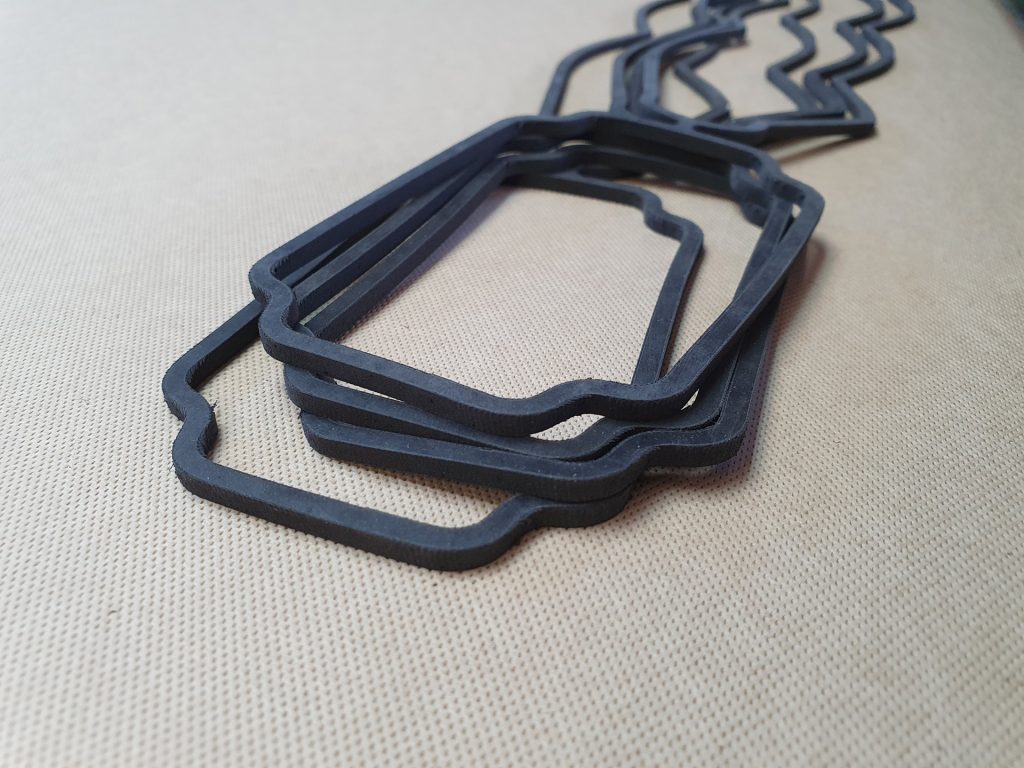
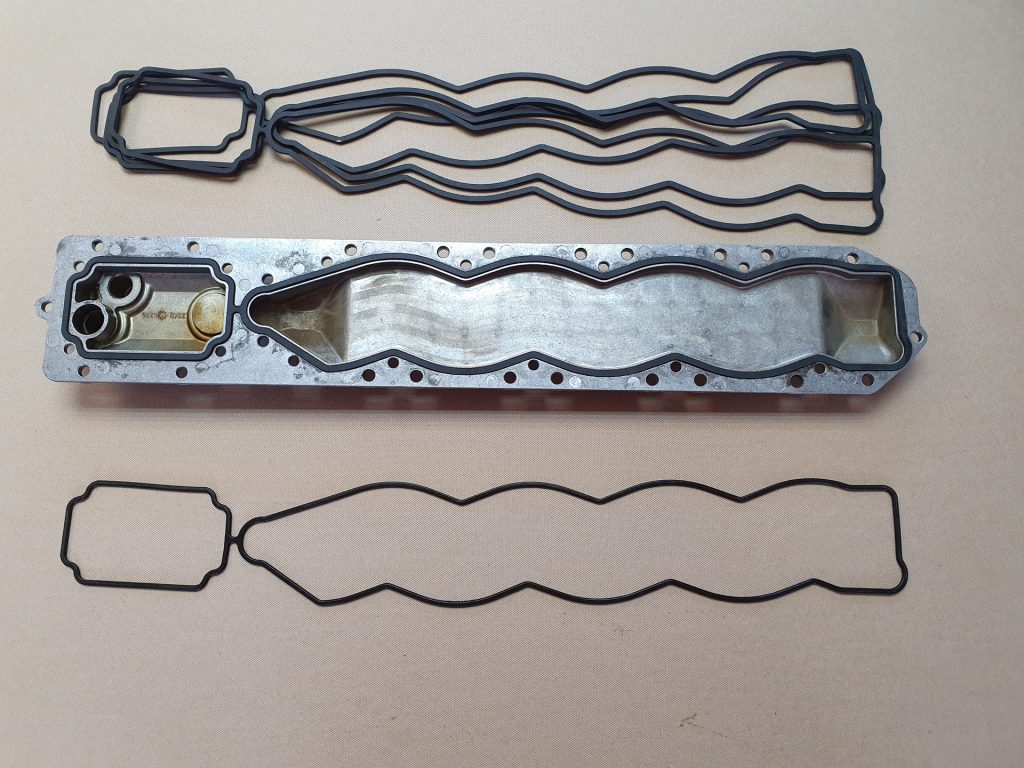
Gasket Cutting
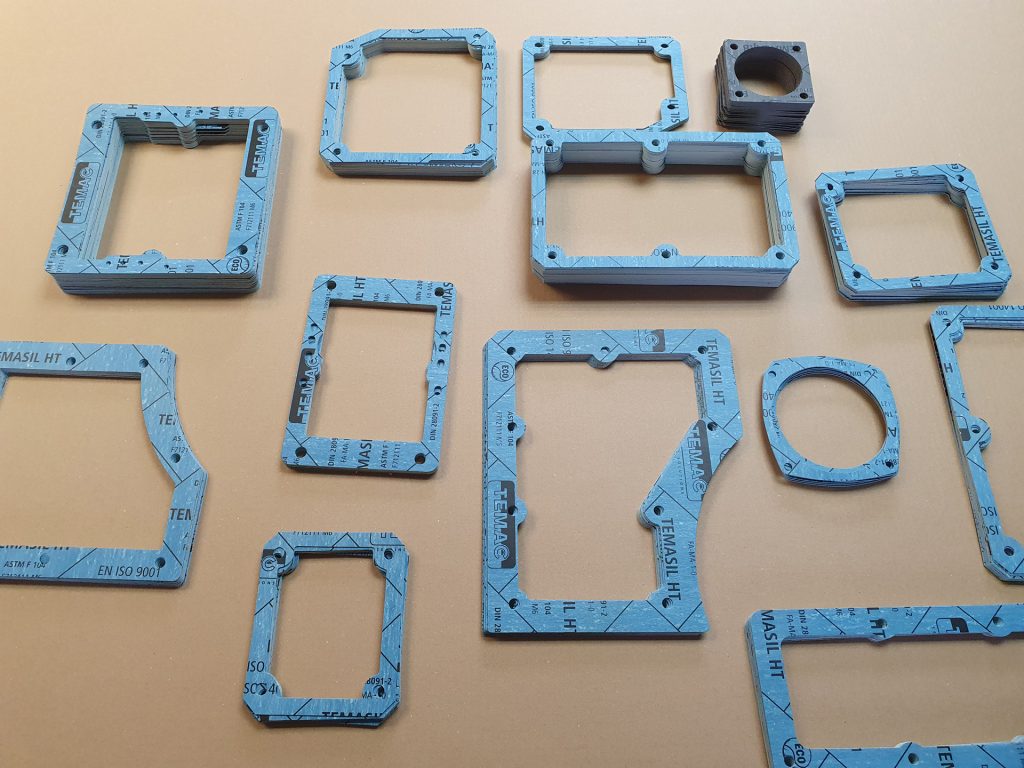
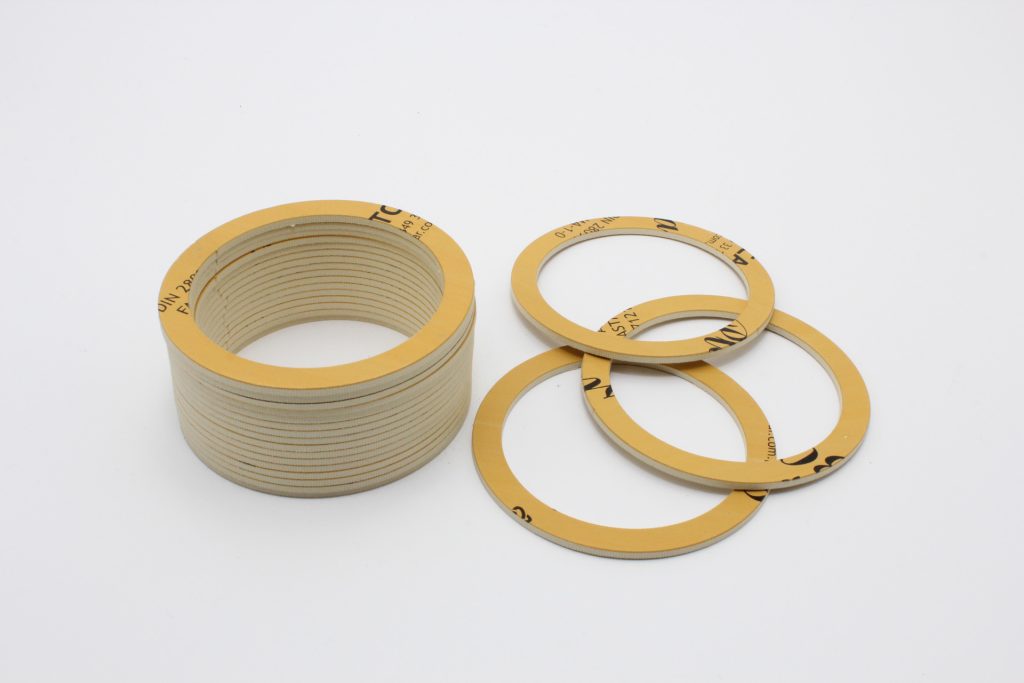
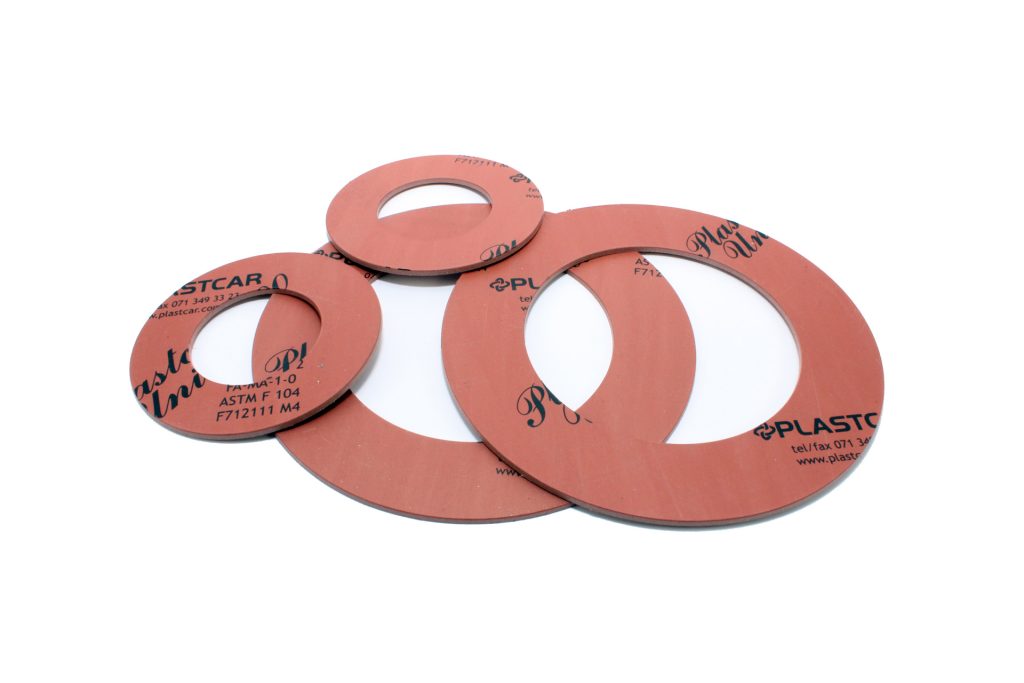
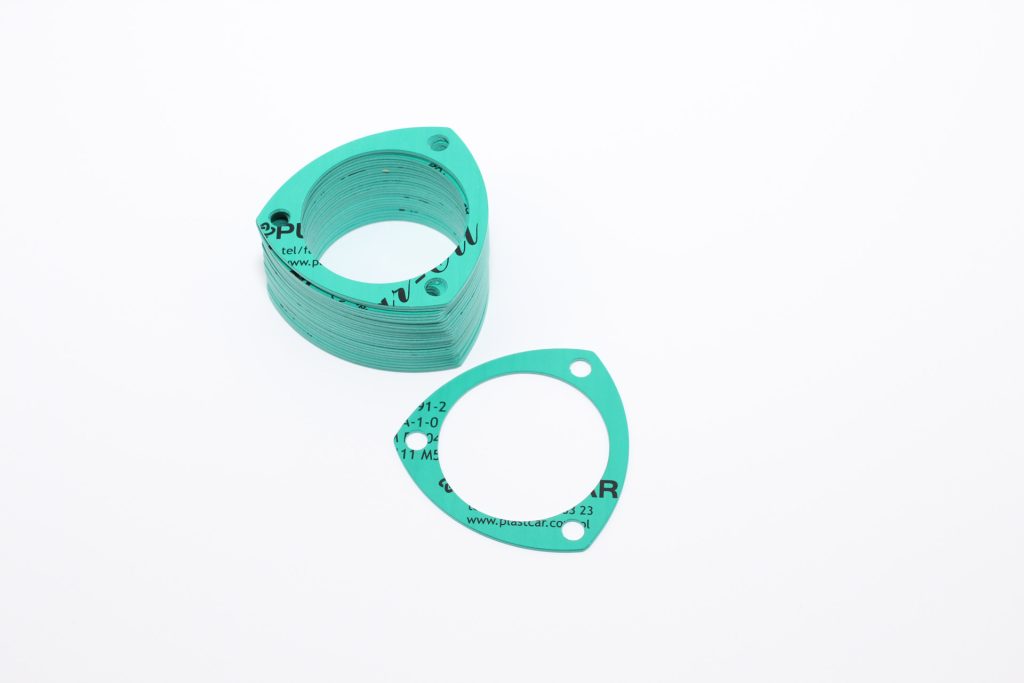
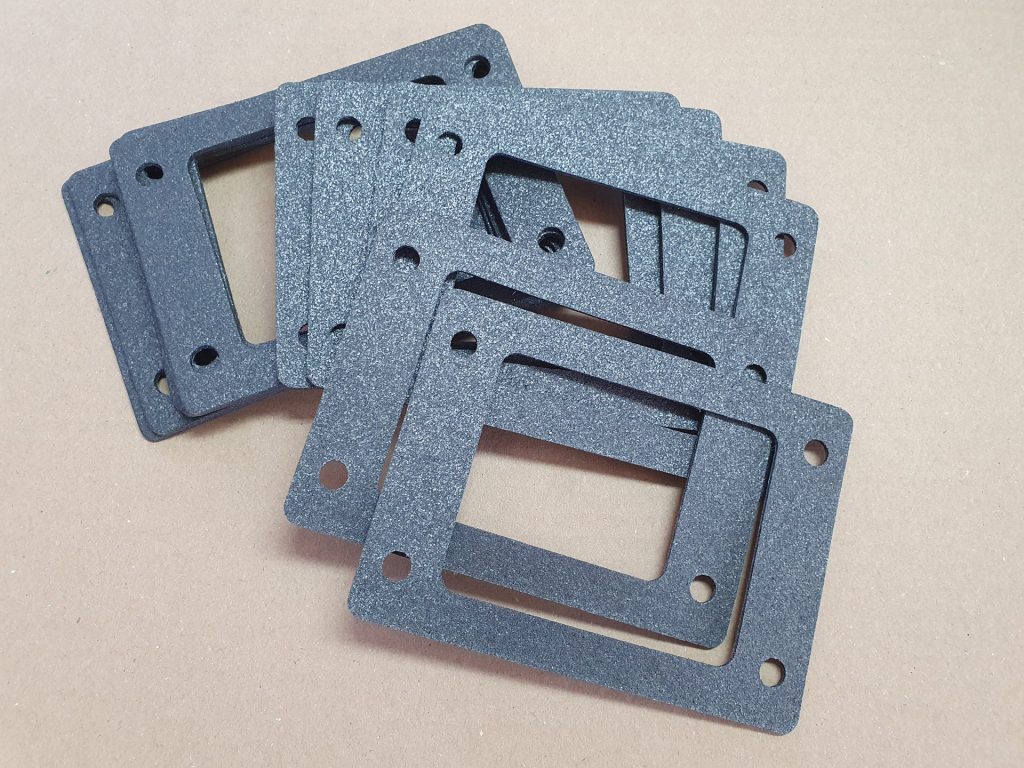
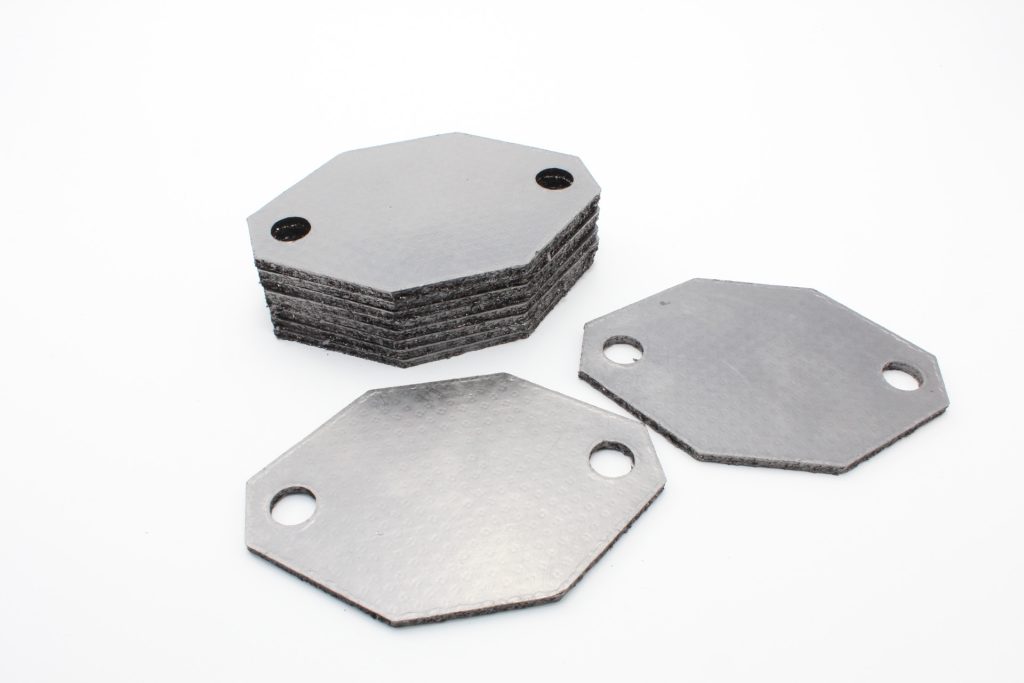
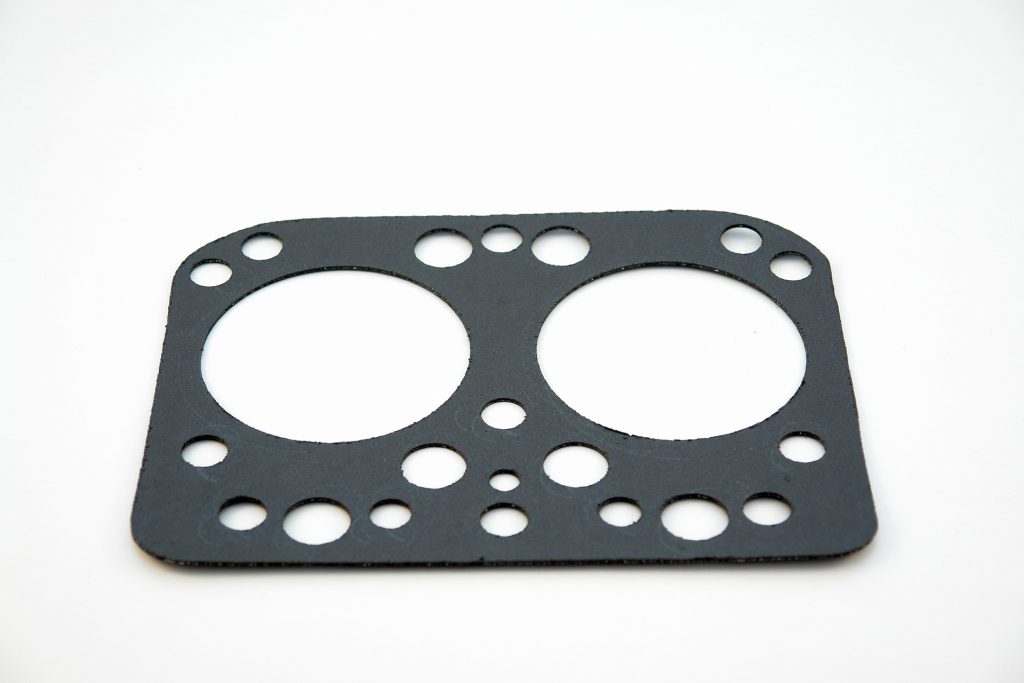
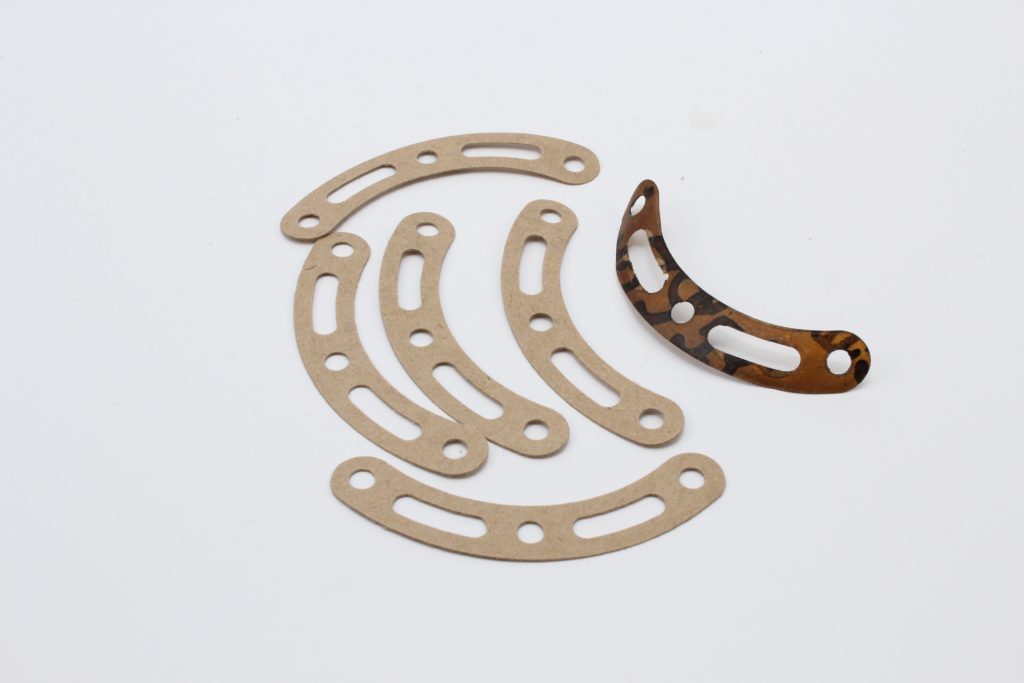
CNC gasket cutting is the process of cutting gaskets using a computer and a CNC (Computer Numerical Control) machine that controls the movements of the cutting tool. It is a precise method that delivers accurate shapes and dimensions.
The process starts with a CAD (Computer-Aided Design) file containing the gasket design, which is then processed by CAM (Computer-Aided Manufacturing) software into a program sent to the CNC machine. The machine then cuts the material, finishes the edges and drills holes where required to create a gasket of exact size and shape.
CNC gasket cutting is used in many industries, including automotive, electronics, medical, food processing and many more. It is a popular method because it offers much higher accuracy and repeatability than cutting gaskets by hand.
CNC gasket cutting is also faster and more efficient than manual cutting, which means lower production costs and shorter lead times.